How Home Services Brands Are Turning Local Search Into Their Most Profitable Growth Channel

For home services brands with strong operational foundations, location expansion isn't a leap into the unknown. It's one of the clearest, most predictable growth strategies available — if you understand how local search works and build your approach around it.
For established home services brands, the opportunity in adjacent markets is hiding in plain sight. The customers are already there. The demand already exists. Every day, homeowners in zip codes your team already drives through are searching for exactly the services you offer — and booking jobs with whoever shows up first in local search. Location expansion is how you make sure that's you.
The brands moving fastest on this aren't building from scratch. They're extending into markets where their field teams already operate, establishing a verified local presence, and converting markets they were already serving into markets they now visibly own. Some are doing this in a matter of weeks. The operational lift is minimal when the infrastructure is already in place — and for brands that have put in the work to build strong review systems and consistent service delivery, that infrastructure is already there.
Why Visibility Doesn’t Travel
To understand why location expansion works, it helps to understand how Google’s local map pack actually functions. The local map pack — the three results that capture the majority of clicks on high-intent local searches — filters by proximity before anything else. Reviews, website quality, ad spend: none of it overrides the proximity filter. If there’s no verified location near the searcher, the business simply doesn’t appear.
This means a brand with 3,000 reviews can dominate local search in their home market and be completely invisible eight miles down the road. The reviews don’t transfer. The reputation doesn’t travel. Google treats each location independently, and proximity is the first gate.
Most brands respond to this by paying for it. Google LSAs, PPC, paid search — $50 to $150 per lead in most competitive home services markets. It works, but it’s rent. The moment the spend stops, the visibility stops. There’s no asset being built, no authority compounding, no presence that gets harder for competitors to displace over time.
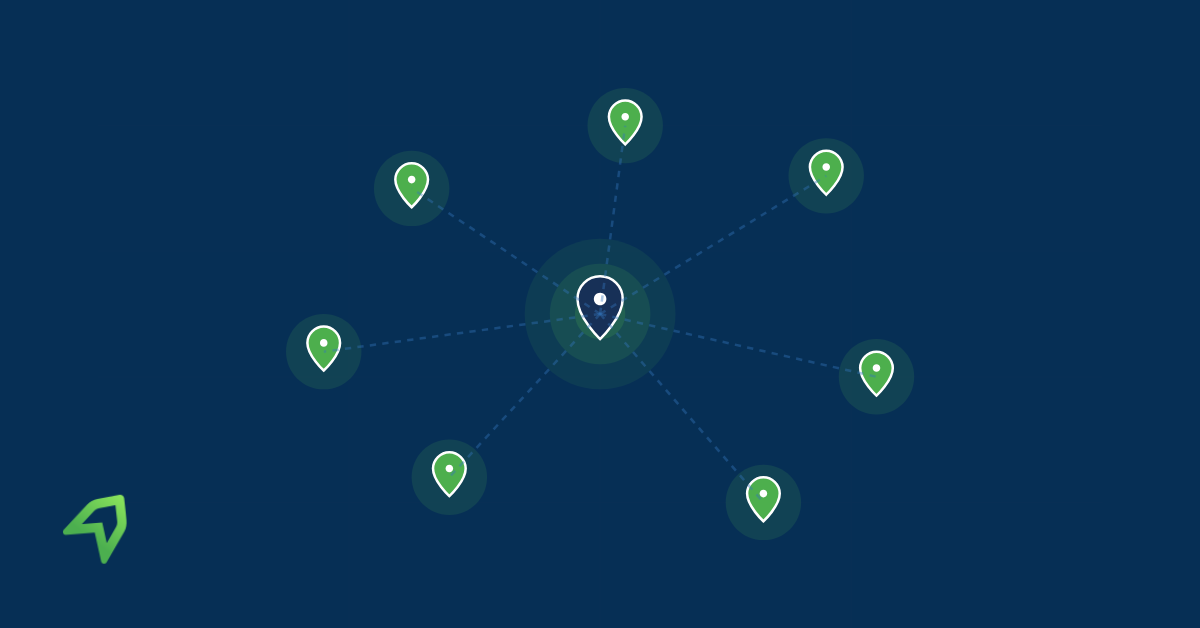
A verified location changes the math entirely. It creates a new Google Business Profile, a new map pin, and a new ranking radius centered on a market your current address can never reach — and it converts ongoing ad spend into a permanent local search asset that appreciates over time. Rankings compound. Ad spend doesn’t.
Your Review System Is the Real Advantage
One of the most important things to understand about location expansion is that while your reviews don’t transfer to a new market, the system that generates them does. Brands that have built 3,000 to 20,000 reviews didn’t get there by accident. They built something replicable: consistent service delivery, active review generation, and a feedback loop that surfaces problems before they become public. Location expansion is how they replicate it.
The difference between a new location that ramps in 90 days versus one that takes 18 months often comes down entirely to whether the review generation system was running from day one. The brands getting this right treat each new location like a launch — review generation built into the opening, not bolted on later. One of our customers booked 3 new jobs within the first week of launching a new location, driven entirely by organic local search visibility established at launch. Others have seen meaningful SEO improvements simply by ensuring the right combination of reviews, recency, and response rate was in place from the start.
The Economics Make the Case
Paid acquisition in home services runs $50 to $150 per lead in most competitive markets. It’s effective, but it resets every month. Stop paying and the leads stop coming.
Organic local search visibility works differently. Brands that execute location expansion well have brought their cost per lead down to as low as $20 to $30 — a fraction of paid acquisition costs. As each new location builds its review profile and establishes local search presence, cost per acquisition decreases while the footprint and revenue opportunity grows. Each new location adds to market authority, review volume, and competitive positioning. The asset appreciates. The invoice doesn’t.
The math is straightforward: if a satellite location captures even a fraction of the organic demand currently going to a competitor, the fixed cost of that location pays for itself quickly — and keeps paying.
What It Actually Takes to Launch
The operational lift of location expansion is often more manageable than operators expect — especially for brands that already have strong systems in place. The core requirements are a verified physical location that meets Google Business Profile standards, permanent signage, and consistent documentation across your lease, license, and listing. With those in place, a new location can be live and building review momentum within weeks.
The key is treating the launch like a launch: review generation active from day one, local search visibility tracked from the start, and a clear picture of the market opportunity before committing to a lease. Understanding the competitive landscape in each zone — how many reviews competitors have, how recent they are, how hard the market is to displace — makes the decision to expand both more confident and more strategic.
If expansion is on your radar, Liftify’s team works with home services brands to identify the right markets, launch with review momentum from day one, and ramp local search visibility faster than starting from scratch. We’d love to map it out together.

 May 26, 2026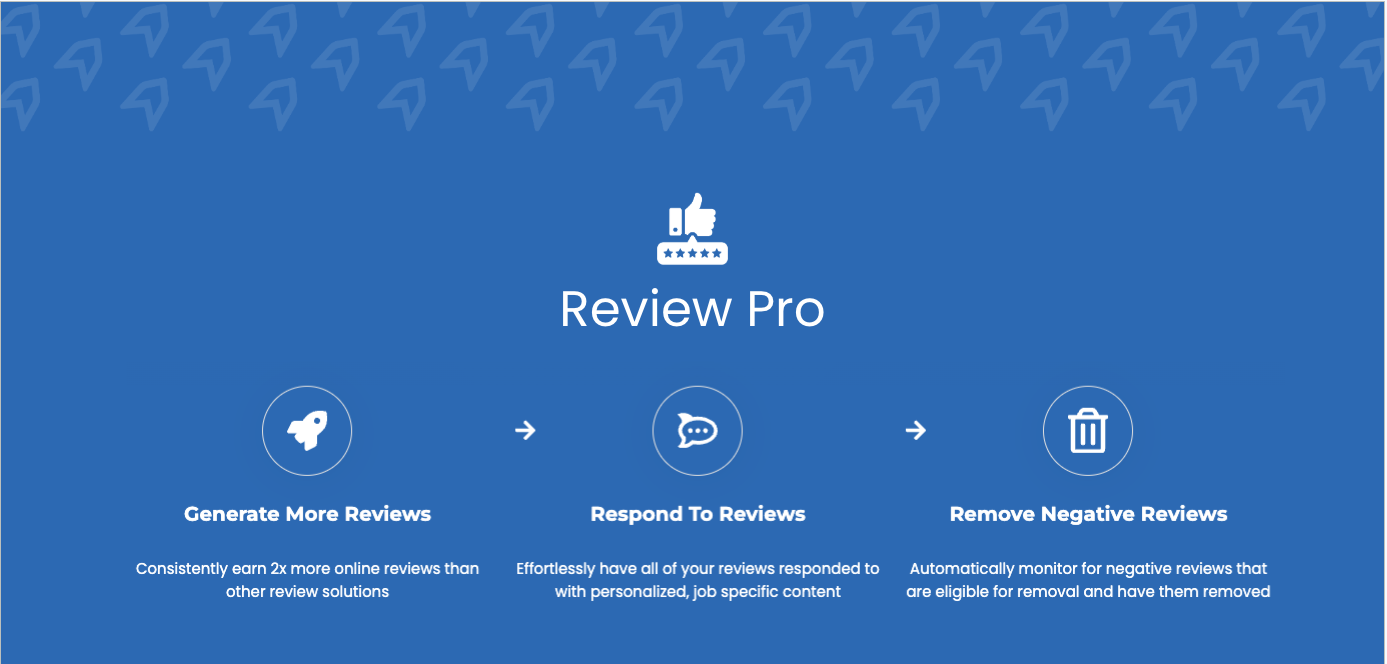
Leave a Reply